

# High Traffic, No Sales — The Boo.comTo explore Boo.com’s historical journey, technical pitfalls.
## Introduction: A Cautionary Tale from the Dot-Com EraBefore diving deeper into Boo.com's dramatic story, it's essential to understand its place in internet history. Boo.com was launched during the dot-com boom with high hopes and hefty investments, capturing global attention almost overnight. Although the company pulled in significant web traffic, it serves as a powerful example of how prioritizing flashy features and hype over user experience and sales systems can doom even the most promising ventures. For students, entrepreneurs, and digital marketers, Boo.com offers invaluable lessons on the difference between getting noticed and actually building a sustainable business. To expand your understanding and explore primary sources, you can visit [Boo.com's Wikipedia entry](https://en.wikipedia.org/wiki/Boo.com?utm_source=openai).
Every founder and marketer dreams of attracting massive traffic to their website. But Boo.com, one of the most infamous startups of the late ’90s, proved that attention alone won’t keep your doors open. In 1999, Boo.com burst onto the e-commerce scene with bold ambition, global hype, and a £125 million war chest. They chased traffic and made headlines—yet collapsed in just 18 months.
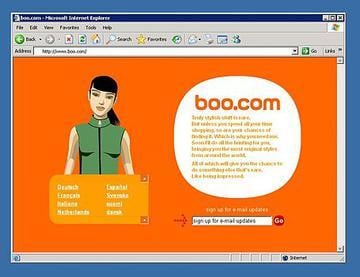
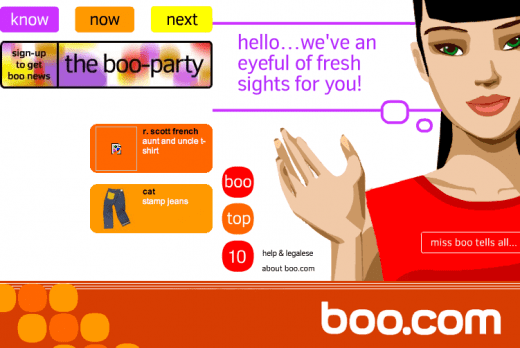
According to Wikipedia, Boo.com’s website was heavily criticized for its poor design and user experience. The site relied extensively on JavaScript and Flash for pseudo-3D product views and 'Miss Boo,' a virtual sales assistant. These features resulted in large page sizes that loaded painfully slowly on the internet speeds of the time. Worse, users faced complex navigation that sometimes led them through multiple steps—only to discover products were out of stock. The result? Frustration, high bounce rates, and a traffic stream that didn’t convert into sales .
The lesson? Traffic is not the same as sales—and Boo.com is a case study in what happens when a business confuses the two.
---
## Why High Traffic Isn’t Enough
Many believe that if you simply get enough eyeballs on your site, sales will automatically follow. But Boo.com debunked that myth in dramatic fashion.
### What Went Wrong?
- **Confusing User Experience:** Their site was slow, cluttered, and difficult to navigate. Customers couldn’t find a clear path from landing page to checkout .
- **Overly Advanced Tech:** Boo.com’s features required internet speeds most users didn’t have. The site broke for many visitors.
- **No Strategic Funnel:** There was no system in place to guide visitors toward making a purchase. People arrived, browsed, and bounced.
**Bottom Line:** Boo.com built excitement, not a system. Hype brought traffic but failed to deliver conversions .
---
## The Startup Lesson: Hype vs. Healthy Business
Attracting attention is like striking a match; it sizzles fast but fizzles out just as quickly if there’s nothing to fuel the fire. You need wiring—a strategy that converts visitors into buyers.
Too many startups mistake recognition for revenue. Real business growth comes from building seamless user journeys, reducing friction, and creating trust.
---
## Three Actionable Steps to Avoid Boo.com’s Mistake
### 1. **Map the User Journey**
Design each step a visitor takes from their first click to checkout. Make the path intuitive. Ensure there’s a clear, logical flow—no guesswork, no dead ends.
### 2. **Cut Friction Ruthlessly**
Audit your site speed. Streamline navigation. Simplify CTAs. Remove unnecessary steps in your payment process. Every second or click you save makes a sale more likely .
### 3. **Build Trust Everywhere**
Show clear product information, display customer support options, and use social proof like reviews or testimonials. Trust is the invisible driver that moves visitors to buy.
---
## Conclusion: Don’t Just Chase Applause. Convert It.
Boo.com’s legacy is a warning: traffic is gratifying, but sales are what sustain your business. Before you pour more money into ads or PR, ask yourself—**do you have a system to capitalize on the attention you’re already getting?**
Invest in the foundation first. Conversion beats applause, every time.
—
**Thanks to [Your Expert Here] for sparking this mindset shift. For the full story, check out Wikipedia – Boo.com.**
*[According to Wikipedia, Boohttps://en.wikipedia.org/wiki/Boo.com?utm_source=openai.com's failure was ultimately due to a site that prioritized flash over function: slow load times, confusing navigation, and a user experience that left visitors frustrated. Don’t repeat these mistakes—prioritize strategy and seamless experience to turn attention into sales.] *